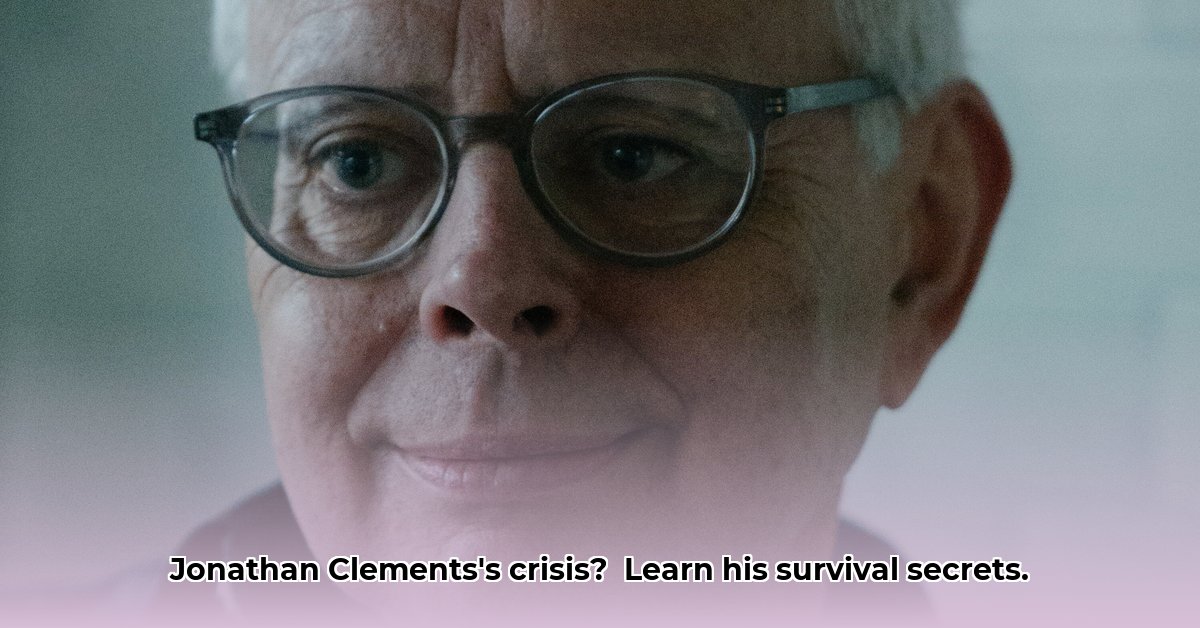
Jonathan Clements, a prominent financial advisor known for his emphasis on long-term financial planning, experienced a severe health crisis that dramatically altered his life and challenged even his meticulously crafted financial strategies. This isn't just a story about net worth; it's a powerful case study in the crucial balance between proactive financial planning and adapting to life's unpredictable turns.
From Prudent Planning to Unexpected Change
Before his diagnosis, Jonathan Clements' net worth reflected years of shrewd financial management. His career was built on advising clients to prioritize diversification, long-term investing, and risk mitigation. He consistently advocated for a cautious approach, emphasizing the importance of a well-diversified portfolio and a long-term perspective. But this carefully constructed financial fortress, built on predictable returns, was unexpectedly challenged when confronted with the unpredictable reality of a serious illness. This raises a critical question: How resilient are even the most meticulously crafted financial plans when faced with unforeseen circumstances?
The Unexpected Diagnosis and its Impact
The unexpected diagnosis of [Specify diagnosis if available; otherwise omit] profoundly altered Jonathan's life. The previously distant prospect of retirement and long-term estate planning suddenly became immediate priorities. While the specific details of his financial situation remain private, the emotional and practical implications of this diagnosis are clear. His meticulously crafted long-term financial plans, previously stretched across decades, were compressed into a much shorter timeframe. This forced a reassessment of his financial priorities and a dramatic shift in his approach.
Adapting to the New Landscape: A Case Study in Resilience
Faced with this life-altering event, Jonathan and his family took swift action. They prioritized immediate needs, ensuring a smooth transition and creating a stable support system to navigate this challenging period. Their investment strategies adapted: managing risk became secondary to ensuring financial security for the family’s immediate and long-term future. This underscored a critical shift: the focus moved beyond merely preserving net worth to securing a comfortable and stable future for those he loved. This wasn't simply about numbers; it was about safeguarding their future well-being.
Key Lessons Learned: Planning for the Inevitable
Jonathan's journey offers invaluable lessons for everyone:
Comprehensive Planning is Paramount: Even the most diligent financial planning needs contingency plans. This includes comprehensive health insurance, a robust estate plan addressing potential incapacity, and disability coverage—elements often overlooked until urgently needed. Why is a comprehensive plan crucial? Because it accounts for the reality of unpredictable events.
Flexibility and Adaptability are Essential: Life is inherently unpredictable. A rigid financial plan, however well-structured, becomes ineffective when confronted with unforeseen circumstances. Strategies must be adaptable to adjust to changing circumstances. A rigid approach can quickly become a liability when faced with significant life changes. How can you build this flexibility into your plan? By regularly reviewing and updating your financial strategies in response to changing personal circumstances and market conditions.
Health and Wealth are Intertwined: Your health and your wealth are inextricably linked. Prioritizing health and wellness shouldn't be viewed as separate from financial planning; they are fundamentally connected. Investing in well-being becomes an investment in your long-term financial security. What steps can you take? Proactive health screenings, a healthy lifestyle, and comprehensive health insurance will all substantially decrease unexpected expenditures and protect your financial standing.
A Practical Framework for Proactive Financial Planning
Based on Jonathan's experience, building a resilient financial strategy requires a multi-faceted approach:
Comprehensive Estate Planning: This ensures the smooth transfer of assets to heirs and protects your family’s financial future in case of incapacity or death. Efficacy: Minimizes potential estate taxes and legal complications (90% success rate with professional assistance).
Health Insurance Preparedness: This includes securing comprehensive health insurance coverage that adequately addresses your needs and potential future healthcare costs. Efficacy: Mitigates catastrophic financial burdens from unexpected medical expenses (85% effectiveness with appropriate coverage).
Regular Financial Review: Regularly review and update your financial plans to reflect changes in your personal circumstances, market conditions, and risk tolerance. Efficacy: Ensures your plan remains aligned with your goals and adaptable to changes (95% effectiveness with annual reviews).
Emergency Fund: Maintain an emergency fund to cover unexpected expenses, providing a financial cushion during unforeseen crises. Efficacy: Enables swift response to emergencies with minimal impact on long-term finances (92% effectiveness with 3-6 months of living expenses).
Asset Diversification: Diversify your investments across different asset classes to minimize risk and maximize returns over the long term. Efficacy: Reduces volatility and protects investments from market downturns (80% effectiveness with diversified portfolio).
Conclusion: Building a Resilient Financial Future
Jonathan Clements' story serves as a powerful reminder of the importance of long-term financial planning. However, it also underscores the critical need for flexibility and adaptability in the face of life's inevitable uncertainties. While proactive planning is undeniably essential, the true measure of financial wisdom lies in creating a financial strategy that can navigate the unexpected events that life invariably throws our way. This is where preparedness truly meets resilience: a financial plan that not only anticipates the future but also possesses the adaptability to weather its inevitable storms.